
☰
Cooler temperatures, pine-covered hills, and a different kind of Indian wedding.
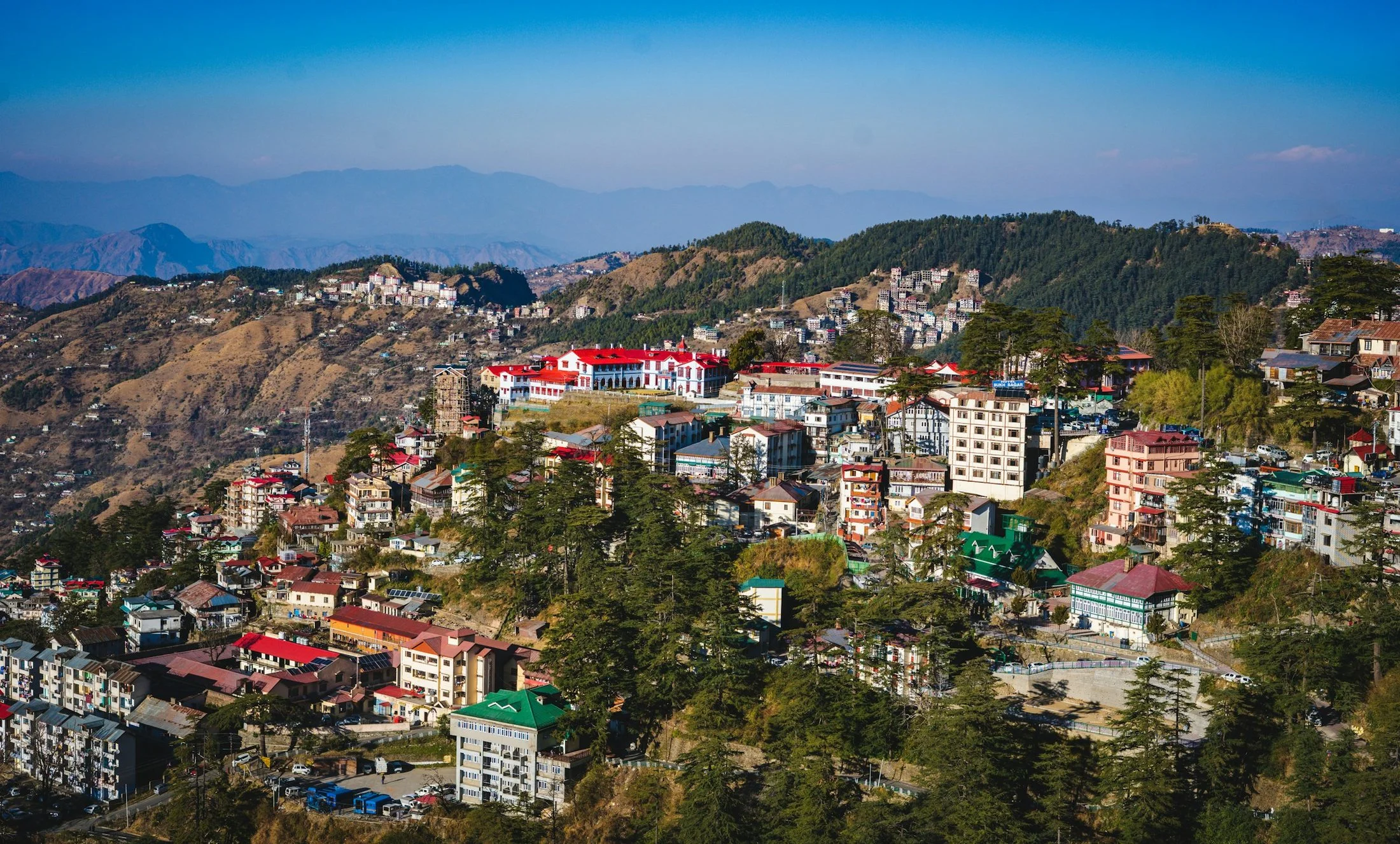
For couples getting married in peak summer, or families who simply prefer a cooler, quieter setting over the usual palace-and-beach shortlist, the hill stations of Himachal and Uttarakhand offer something few other Indian destinations can: genuinely comfortable outdoor weddings in the months when the rest of the country is at its hottest.
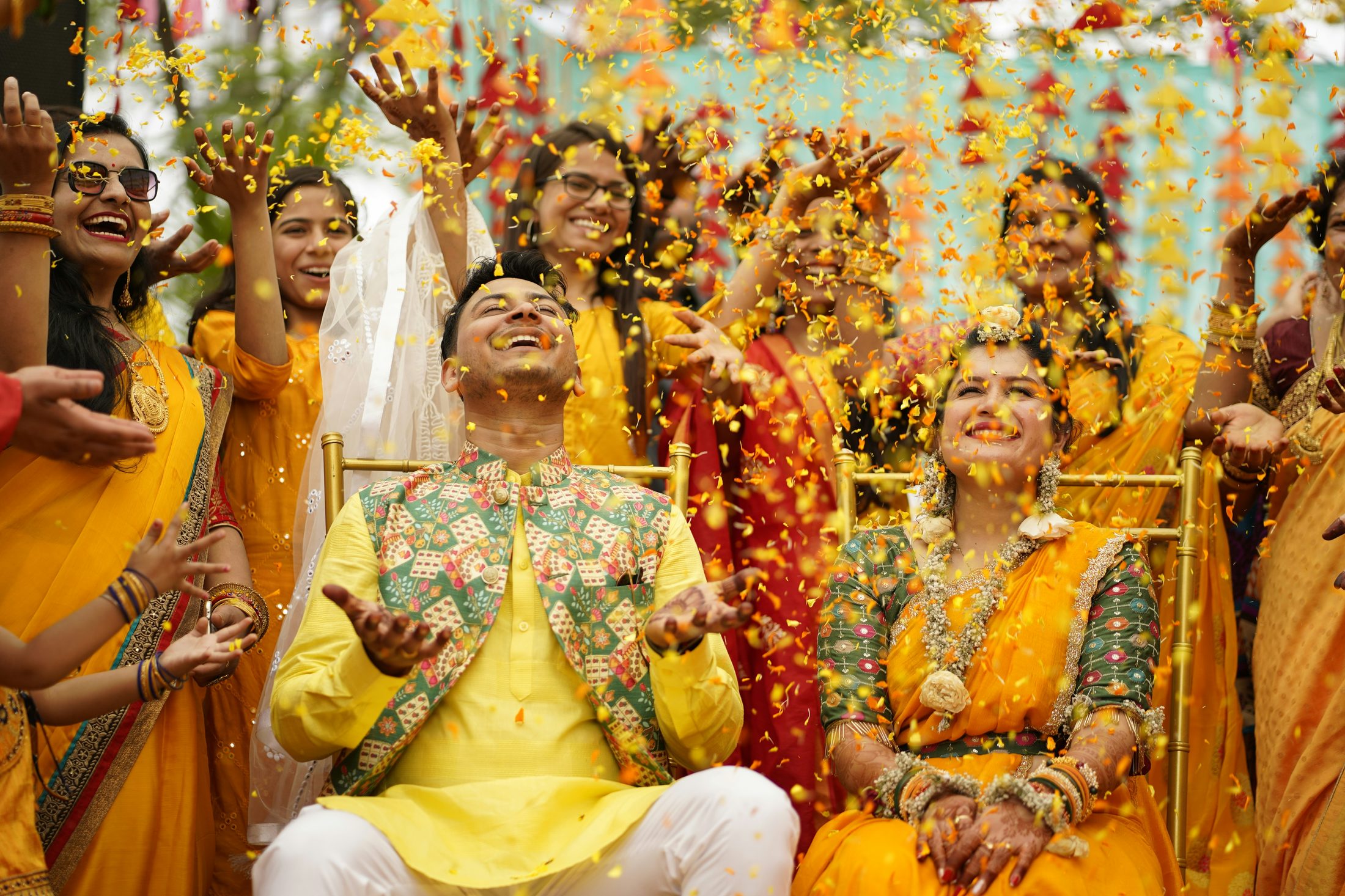
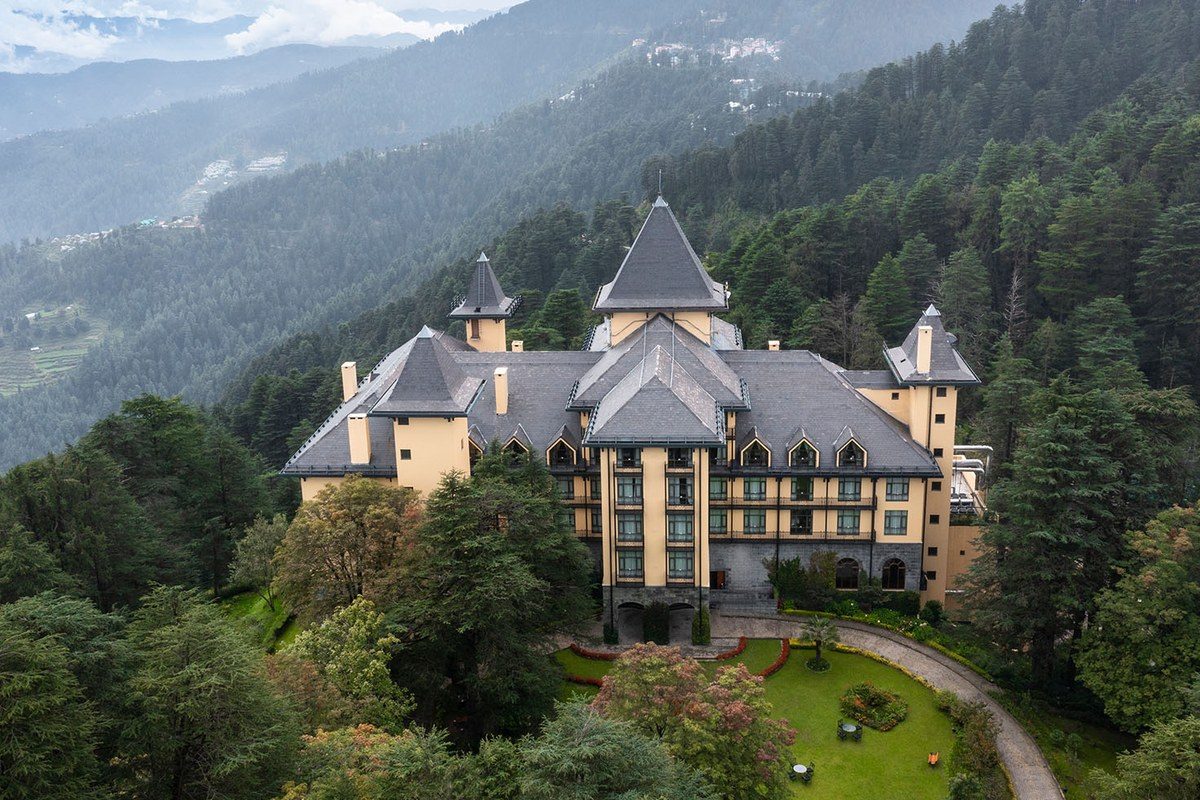
Shimla's colonial-era properties and Mussoorie's forested resort venues let families host a full, elegant Indian wedding without asking elderly guests to sit through a forty-degree afternoon ceremony. Cooler weather also means outdoor daytime events are genuinely usable here, not just an evening option the way they often have to be at hotter destinations — a daytime haldi or a garden-set mehendi in dappled pine shade is a different, gentler kind of event than the same function held indoors to dodge the heat.
Winding mountain roads mean guest transport takes longer than distance alone would suggest, and larger coaches can genuinely struggle with certain routes near both towns. We always build in extra transfer time between the nearest airport and the venue, and for larger weddings, arrange smaller shuttle vehicles in rotation rather than a handful of large coaches that may not manage every stretch of road comfortably.
"A daytime haldi in dappled pine shade is a different, gentler kind of event than the same function held indoors just to dodge the heat." Humsafar Wedding Destinations Team
April through June offers the most reliable window — pleasant days, cool evenings, and stable weather before the monsoon arrives, which is why it's become one of the most requested summer wedding windows on our calendar precisely because it's such a relief from the heat everywhere else in India at that time of year. We steer clients away from July through September, when heavy monsoon rain brings a real risk of landslides and road closures on mountain routes — not a risk worth taking with a wedding weekend's logistics. Late September through November is a strong second window, with clearer skies and noticeably fewer crowds than peak summer, while December through February suits families specifically chasing a snow-set wedding, understanding that guest travel and outdoor programming both need to plan around the cold.
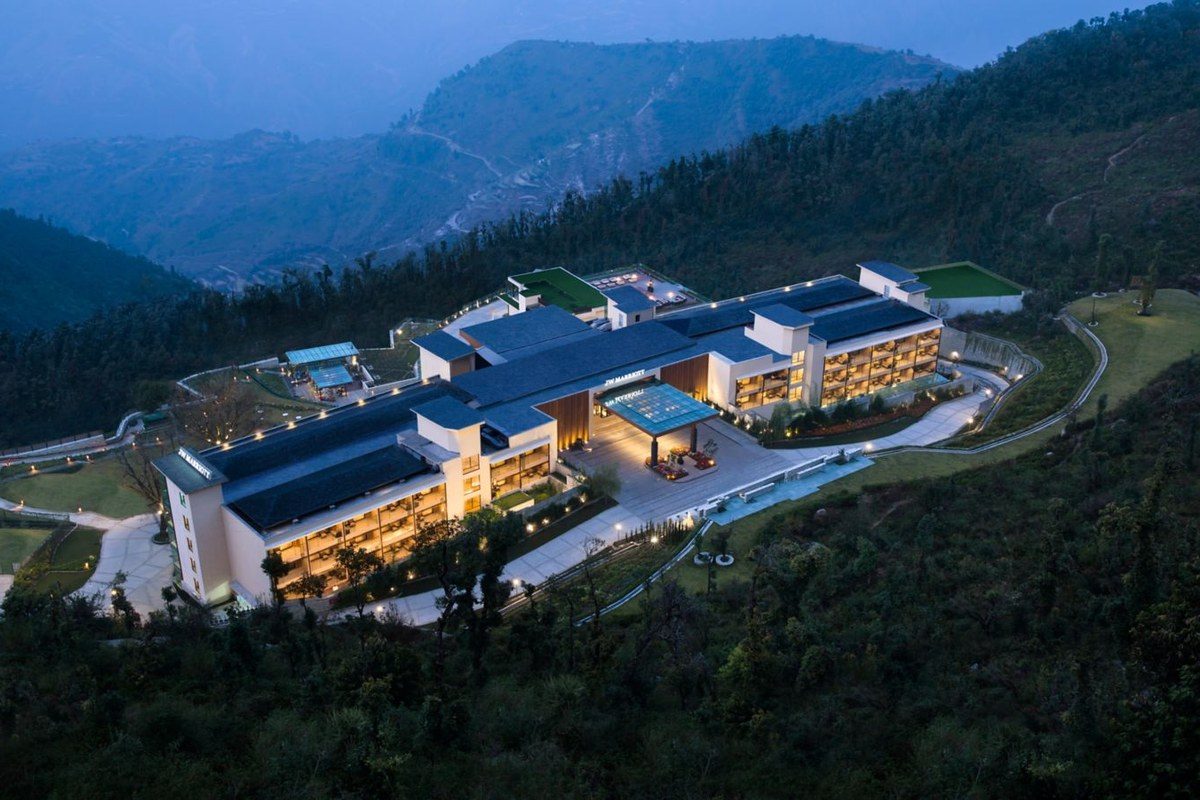
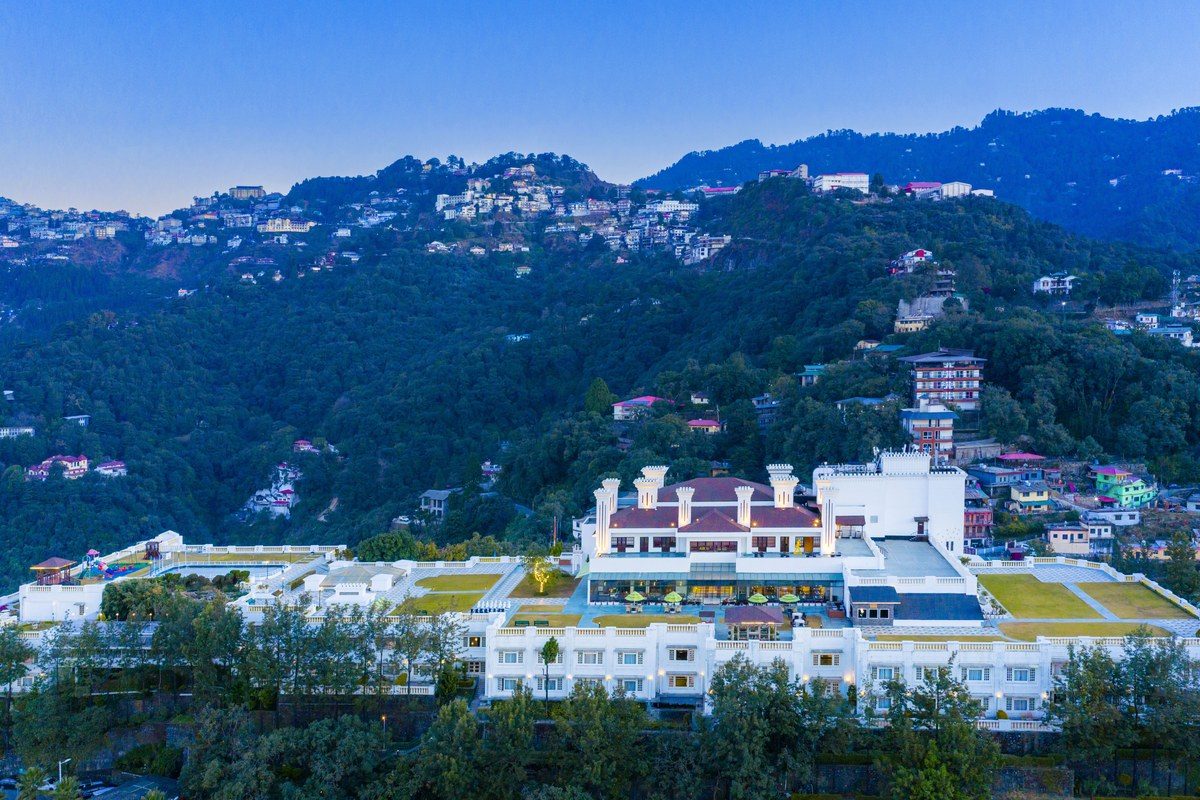
The two towns have a genuinely different character worth choosing between deliberately. Shimla carries more colonial-era architectural grandeur — former viceregal properties and heritage hotels that lend themselves to a more formal, storied wedding. Mussoorie leans greener and slightly more relaxed, with forested resort venues and wide valley views that suit a softer, more nature-forward celebration. Neither is the "better" choice; it's really a question of whether your family pictures a wedding inside grand colonial rooms or one that opens out onto pine forest and hillside.
A mountain wedding trades some convenience for a setting and climate that most Indian destinations simply can't offer in peak summer — and for many of the families we work with, that trade is an easy one to make.
Tell us your preferred month and we'll help you weigh Shimla against Mussoorie.
Start the Conversation