
☰
Every celebration we plan carries a piece of someone's story. These are a few of the ones our team still talks about.
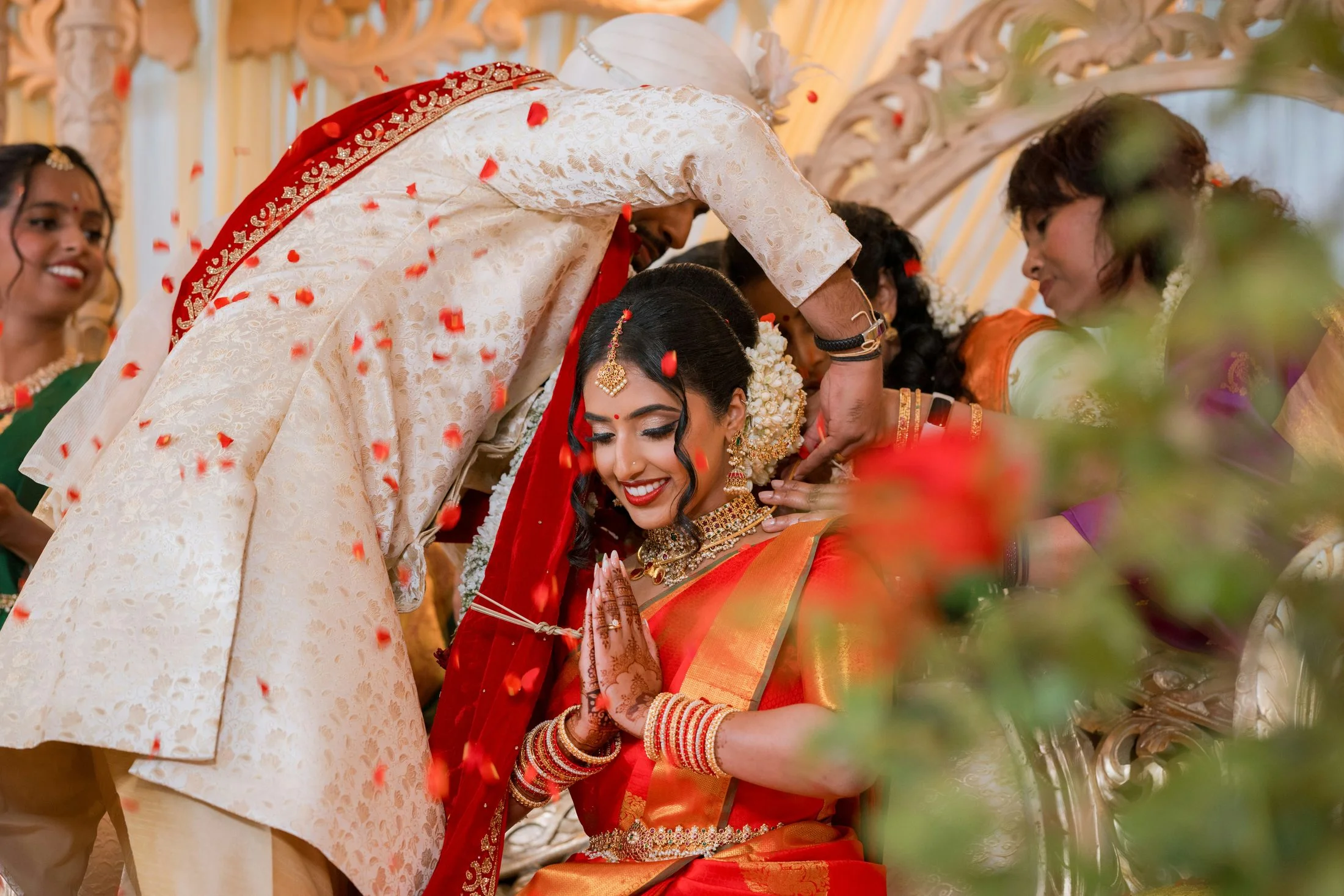
After twelve years and more than 700 weddings, we've noticed something: it's rarely the grand gestures people remember first. It's the quiet ones — a father's hand shaking as he ties the mangalsutra clasp, a grandmother mouthing the words to a shloka she's known her whole life, a groom wiping his eyes before he's even seen the bride walk in. Those are the moments our planners are trained to watch for, because they're the ones that make a wedding this wedding, and not just a wedding. What follows are a handful of the celebrations our team still brings up in the office, months or years later — told the way we remember them, with names and identifying details changed out of respect for the families who trusted us with their day.
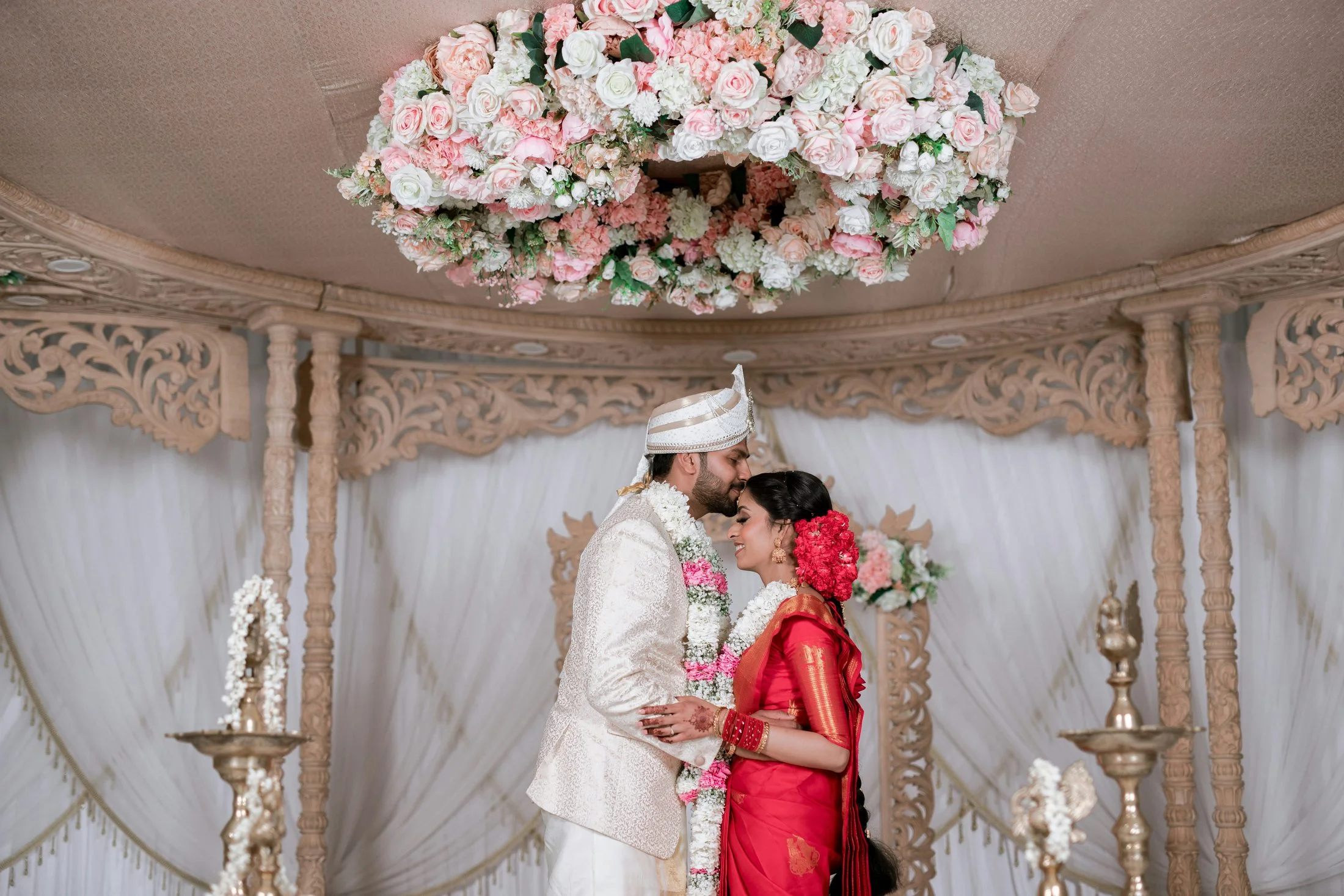
One of our favourite celebrations began with a two-year engagement that stretched into three because of circumstances entirely out of anyone's control. By the time the date finally arrived, the family had exactly one request: no fireworks, no elaborate entry — just enough time and quiet for the couple to actually feel the day they'd waited so long for. We built the entire timeline around long pauses instead of tight cues. A private tea between the couple before the baraat, just the two of them and a pot of chai on a hotel balcony. Ten unscheduled minutes after the pheras with no photographer in sight, so the new couple could simply sit together as husband and wife for the first time without a lens between them. They were small choices on our run sheet, but they were the ones the couple mentioned first when they thanked us afterwards — not the décor, not the menu, the quiet.
At another wedding, the bride mentioned almost in passing during our first planning call that her grandmother used to sing a particular bhajan to her as a child. It wasn't on any brief — she brought it up while we were talking about something else entirely, seating charts probably. Our on-ground coordinator made a note anyway. On the wedding day, with the family's blessing, we quietly handed the grandmother a microphone at the right moment during the ceremony instead of playing a recorded track. She sang two lines before her voice caught, and by the end of it there wasn't a dry eye under the mandap, including several members of our own team. It cost nothing extra to plan for. It just took someone listening closely enough to remember it.
"We ask about family rituals before we ask about flowers. The flowers can always be fixed later. The one chance to get the grandmother's bhajan right doesn't come around twice." Humsafar Wedding Planning Team
We hear the word "heartfelt" a lot in this industry, often stitched onto a wedding purely for how it photographs. For us it means something more specific: does the day reflect who this family actually is, not who a moodboard says they should be? That's why our planning conversations start with questions that have nothing to do with décor — how the couple met, which relative tells the best stories, whether the bride's mother wants to walk her down the aisle or would rather stand quietly at the mandap and cry happy tears instead. Those answers shape the day far more than any colour palette does.
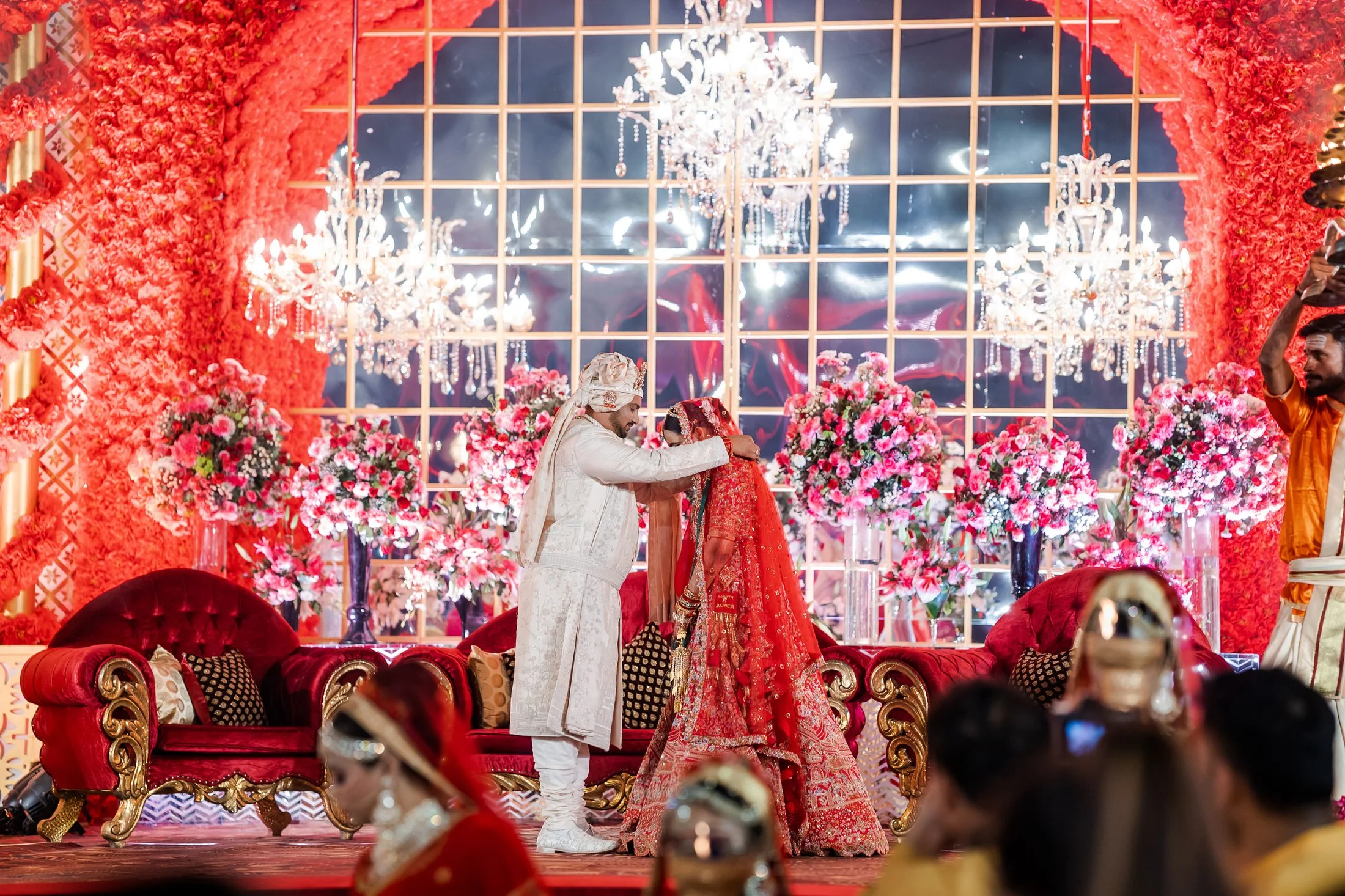
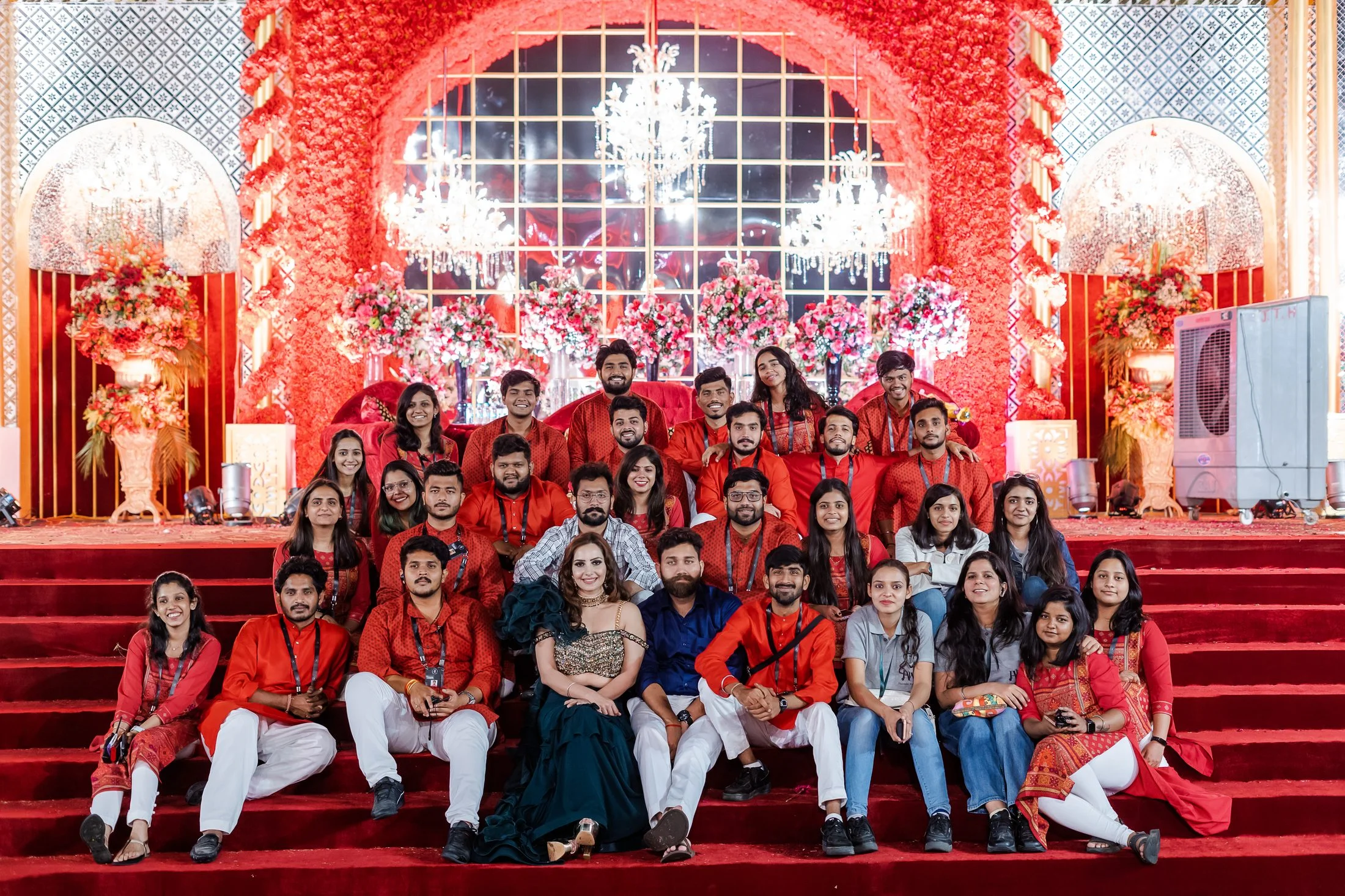
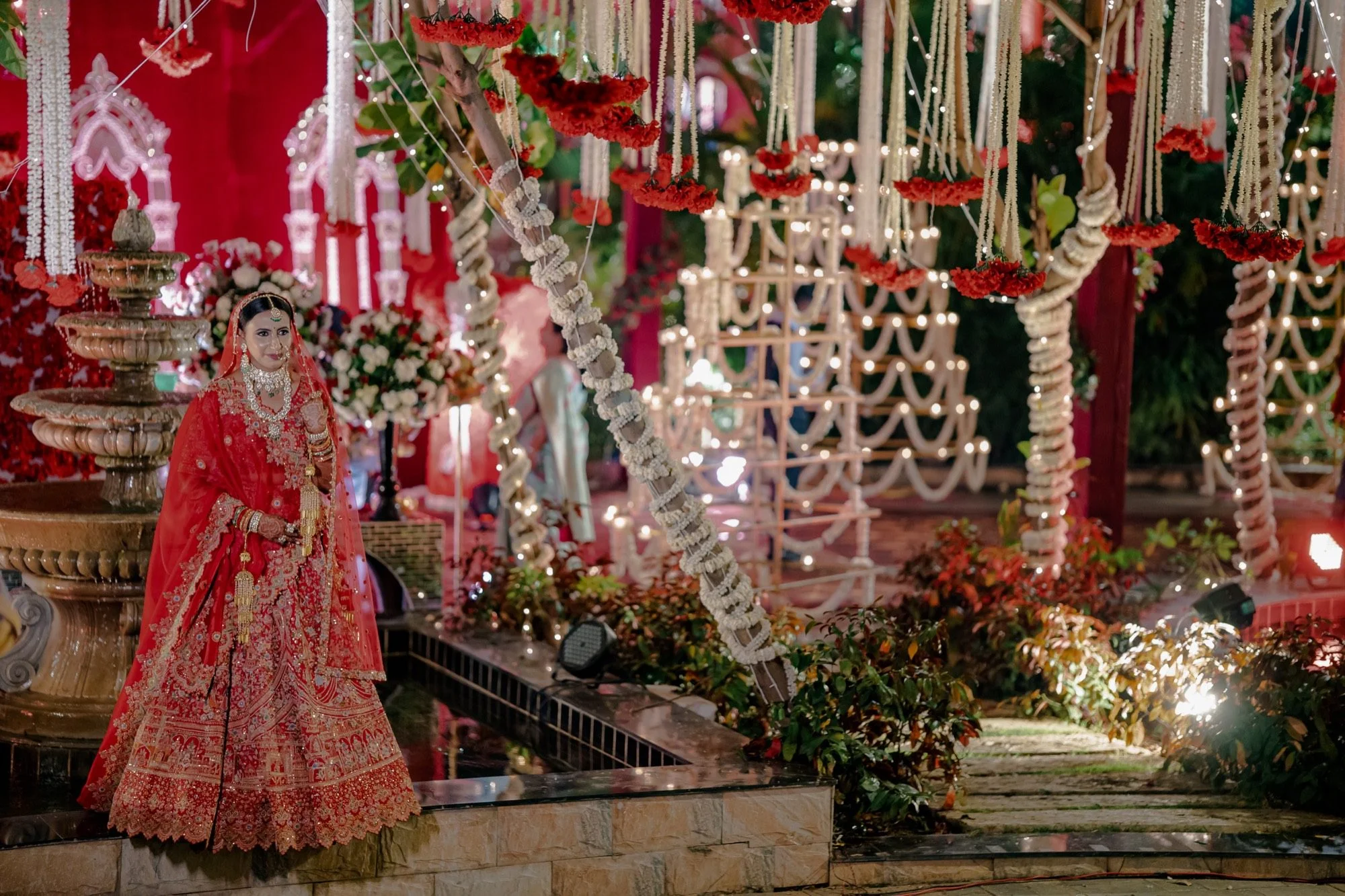
Not every heartfelt story starts smoothly. At one hillside wedding, a sudden weather shift threatened to wash out an entirely open-air reception four hours before guests were due to arrive. Our on-ground team spent those four hours doing the unglamorous work nobody sees — rerouting a covered structure, moving an entire lighting rig, briefing vendors on a revised layout twice over — so that by the time the family walked in, the only thing different from the plan was a slightly reworked seating chart. The groom's father found out afterwards how close it had come to falling apart and said it was the calmest wedding day he'd ever attended. That's usually the real measure of good planning: not that nothing went wrong, but that the family never had to know it did.
If there's a thread running through every story we could tell here, it's this: the logistics are our job, so the family doesn't have to think about them. What's left, once the timelines and vendors and contingency plans disappear into the background, is just two people and everyone who loves them, together in one place. That's the part we never get tired of watching.
Tell us about the two of you — the details that matter to your family are exactly what we build the day around.
Start the Conversation