
☰

Sun, sand, and the checklist most couples don't think about until it's too late.
Goa looks effortless in every wedding photo you've ever seen, which is exactly why so few couples realise how much precision actually goes into making a beach wedding run smoothly. It's one of the most fun destinations we plan for, and one of the most technical — the sand and the sea view that make it beautiful are also the two variables that can derail a poorly planned timeline fastest.
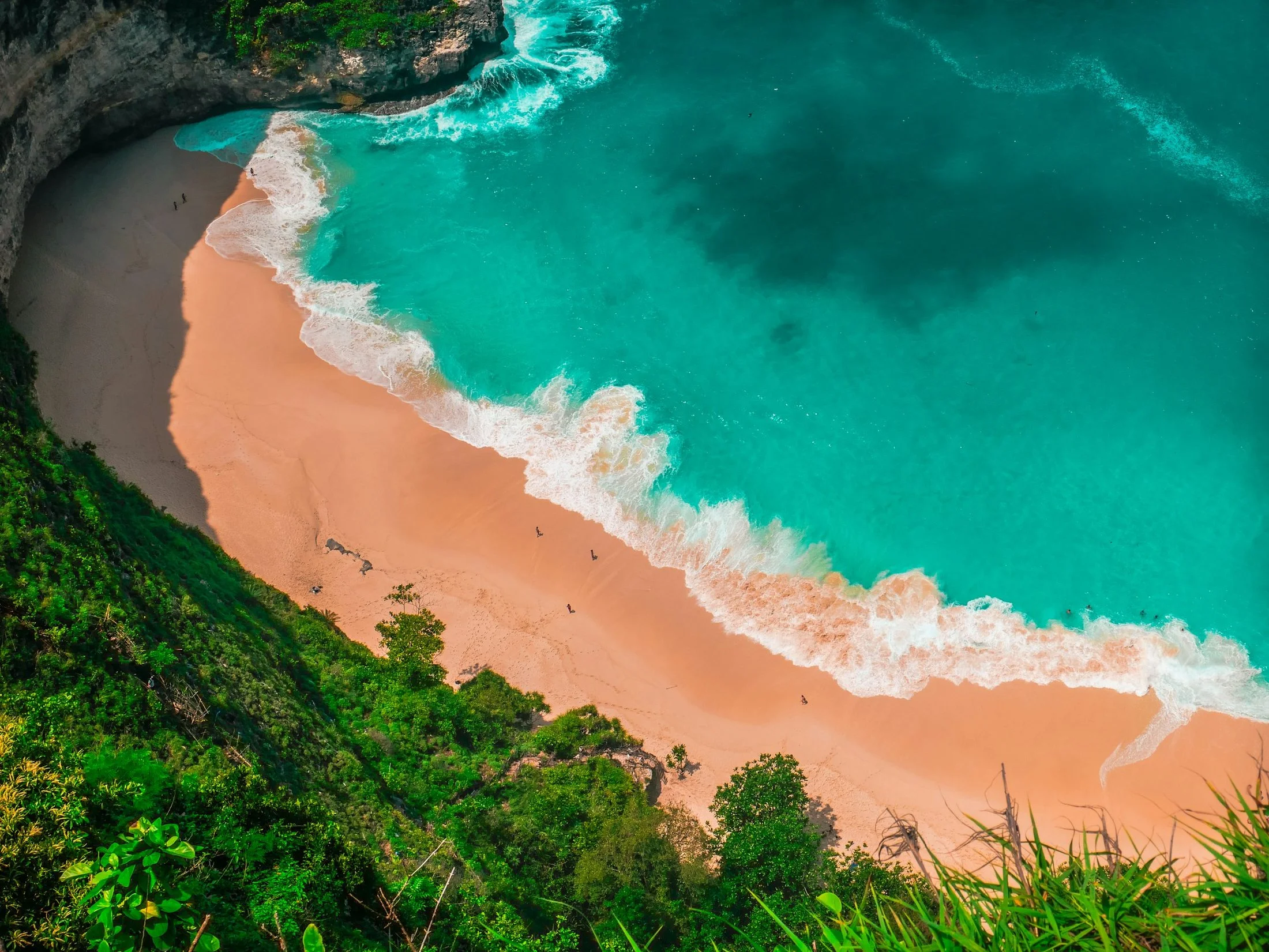
A ceremony scheduled without checking the tide chart can end up with the aisle underwater by the time the baraat arrives. Goa's coast runs a full tidal cycle roughly every twelve hours, and a "sunset ceremony" booked without cross-checking that date's specific tide table can quietly turn into a very different, much wetter event. We build every beach timeline around the tide tables for the exact wedding date, not a general assumption about "evening low tide," and we build in a buffer window on either side in case the setup crew needs extra time to relocate the mandap.
Open beach ceremonies are gorgeous but come with sand, wind, and no backup plan if the weather turns without warning. Resort lawns and indoor-outdoor ballrooms give you the same ocean view with a covered contingency built in. For weddings over 150 guests, we almost always recommend at least a partial indoor backup — moving that many people and that much equipment at short notice is a genuinely difficult operation on sand, and it's far easier to plan for the possibility upfront than to improvise it on the day.
"The sand and the sea view are exactly what make a Goa wedding beautiful — and exactly what make it the most technical destination we plan for." Humsafar Wedding Destinations Team
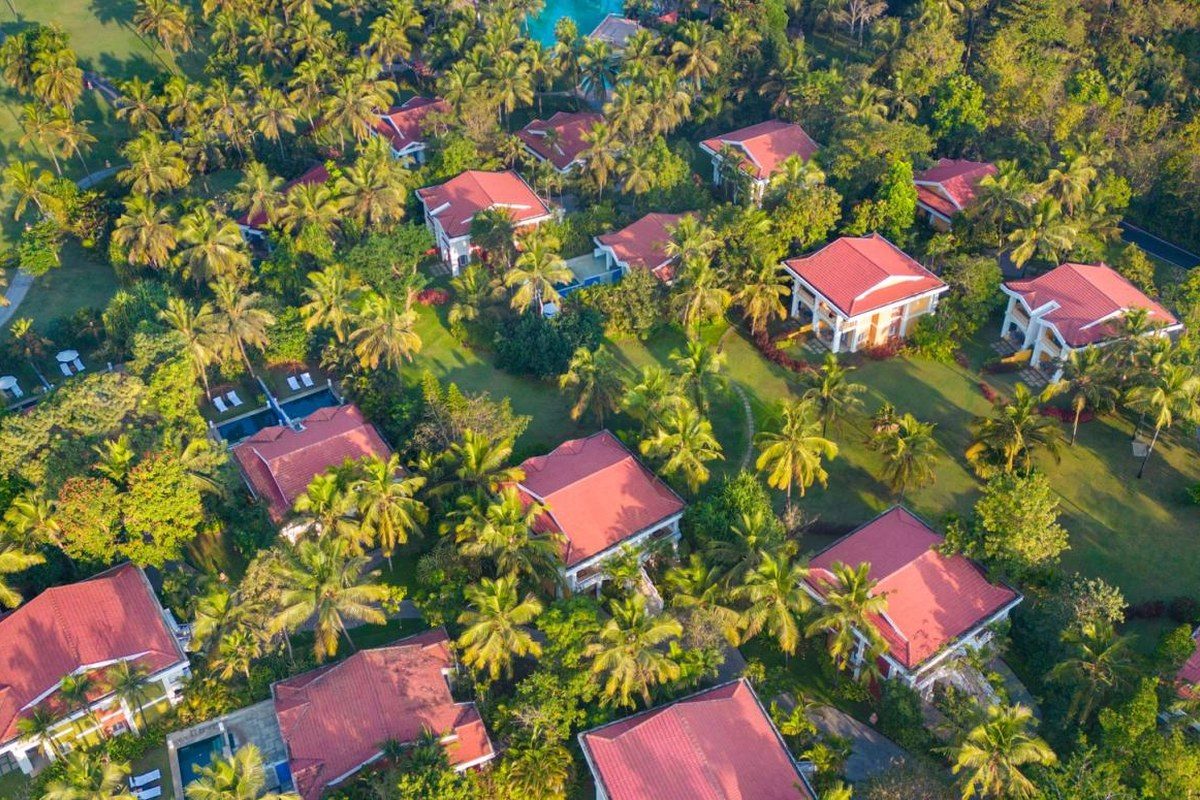
Mid-October through February is the window we point almost every client toward — dry weather, comfortable evening temperatures, and low humidity that makes outdoor décor and florals hold up far better across a multi-day celebration. December and January carry the heaviest tourist footfall in Goa generally, which affects everything from flight availability to hotel block pricing, so we usually push families toward late October–November or February if flexibility allows — same weather window, noticeably easier logistics. If you're set on a monsoon-season Goa wedding for the dramatic skies, it's absolutely possible, it just requires a fully covered venue and a considerably more detailed weather contingency plan than a dry-season date needs.
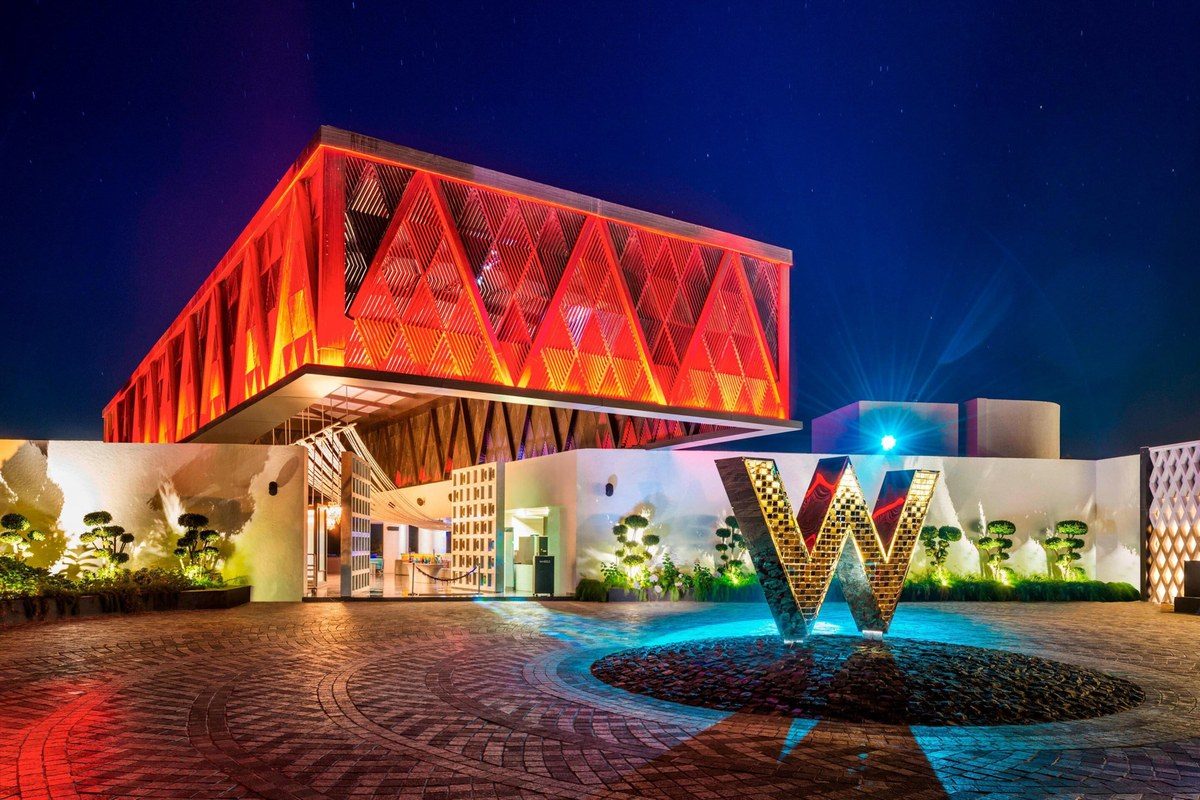

Goa enforces stricter noise cut-off rules than most other Indian wedding destinations, and enforcement genuinely happens — this isn't a formality to skim past. We confirm the exact cut-off time with each venue in writing before booking, and we plan the sangeet or reception music schedule around it rather than discovering the limit on the wedding night itself. Beach-adjacent ceremonies may also need additional permissions depending on the exact stretch of coastline, which is worth confirming with your planner well before the guest list goes out.
Done right, a Goa wedding gives you the relaxed, sun-soaked energy that makes it such a popular request in the first place — the trick is making sure every technical detail, from the tide chart to the noise permit, is handled well before the guests arrive to enjoy it.
Share your guest count and preferred season, and we'll map the tide charts and venue shortlist for you.
Start the Conversation