
☰
Planning a wedding on the caldera, from timing and guest count to wind, light, and transport.
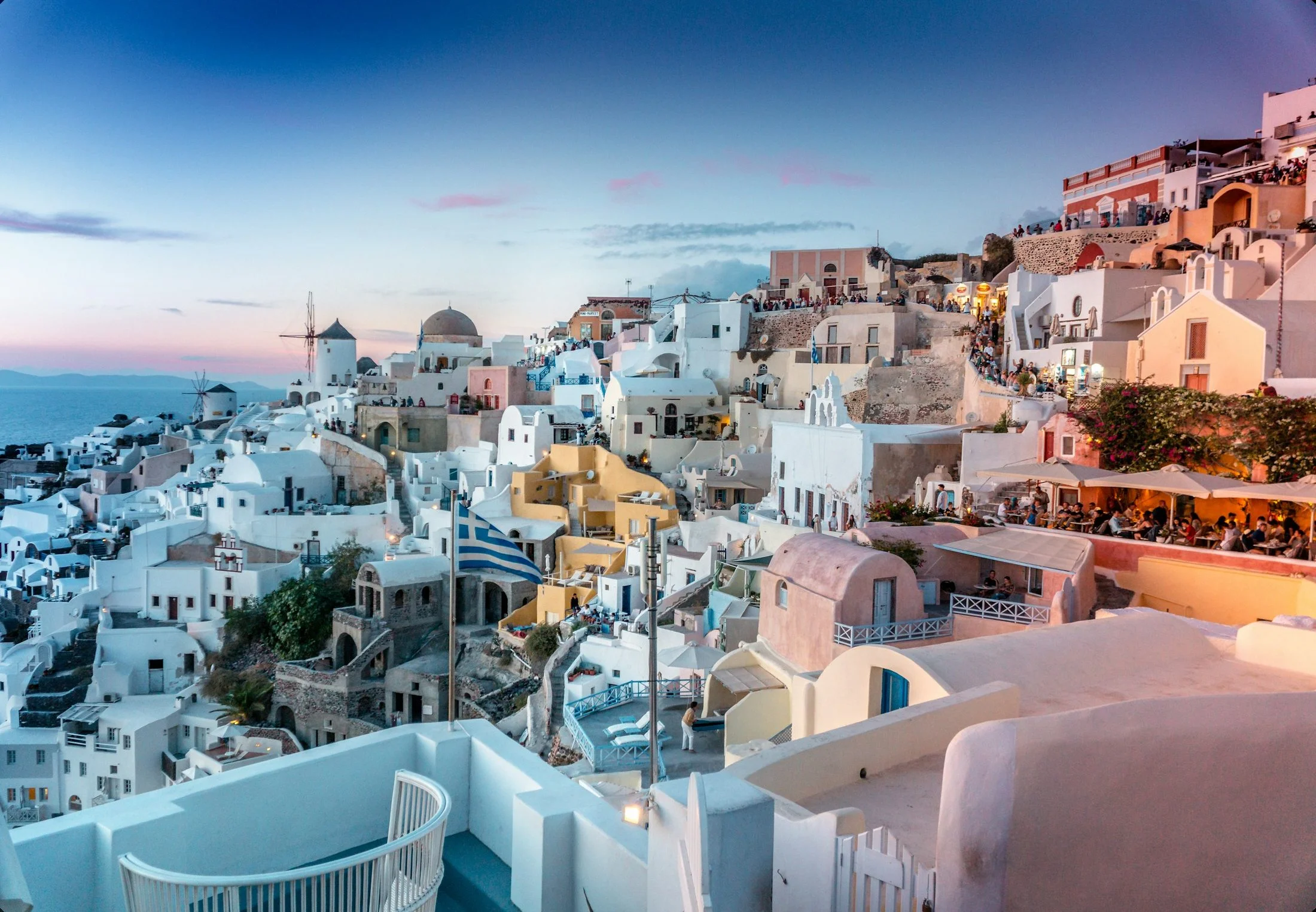
Santorini is one of the most photographed wedding destinations in the world, and also one of the least forgiving of poor planning. The island is small, genuinely caldera-facing venues are limited in number, and everything from parking to guest transport to power supply for an evening reception needs to be worked out well in advance rather than assumed. It's a destination that rewards families who plan early and decisively far more than most — here's our checklist for getting it right.
Santorini has a genuinely limited number of true caldera-facing wedding venues, and the best of them are routinely booked twelve to eighteen months ahead for dates inside the prime window. If your family has a specific venue in mind from a photograph, our first move is always to confirm real availability before a wedding date gets finalised around it — building a date first and discovering the dream venue is already taken is the single most common disappointment we help families avoid.
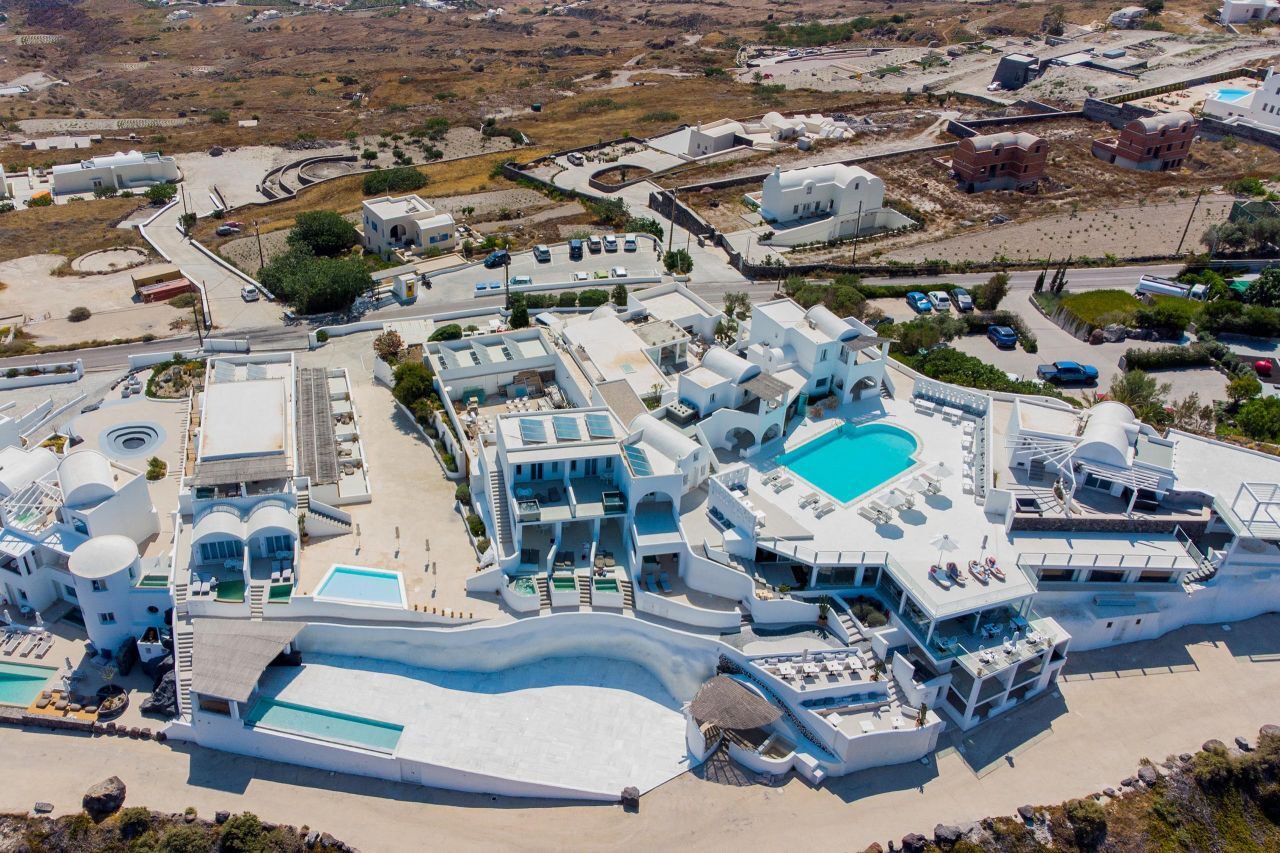
The genuine sweet spot is the shoulder season — late May, June, and again September into early October — when the weather is reliably warm and dry, the island isn't at its peak tourist saturation, and the most sought-after venues have slightly more realistic availability. Full summer, especially late July through August, is the hottest, busiest, and most heavily booked stretch — beautiful, but everything from restaurant reservations to guest hotel rooms needs to be locked far earlier. We steer most families toward the shoulder months unless there's a specific reason the wedding needs to land in peak summer.
"Santorini doesn't punish big ambitions — it punishes late decisions. Everything about this island rewards a family that commits to a date and venue early." Humsafar Wedding Destinations Team
Most caldera venues are built for intimate weddings — often 50 to 100 guests — a direct result of the island's narrow cliffside roads and genuine scarcity of large-format venues. If your family's guest list runs meaningfully larger than that, we typically recommend a hybrid approach: an intimate, close-family ceremony in Santorini itself, followed by a larger celebration back home for the wider guest list. This isn't a compromise so much as how most large Indian families actually make Santorini work.
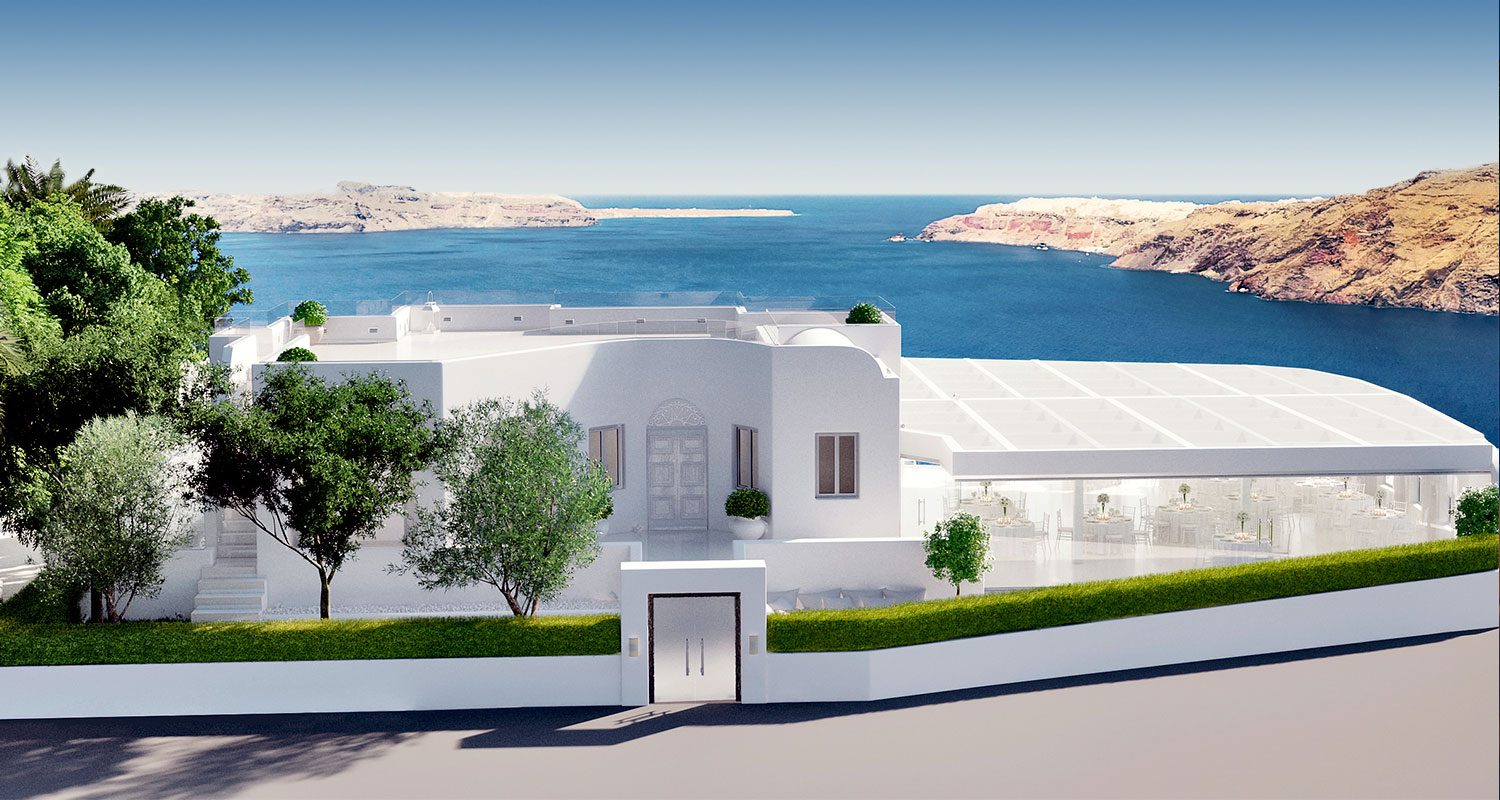
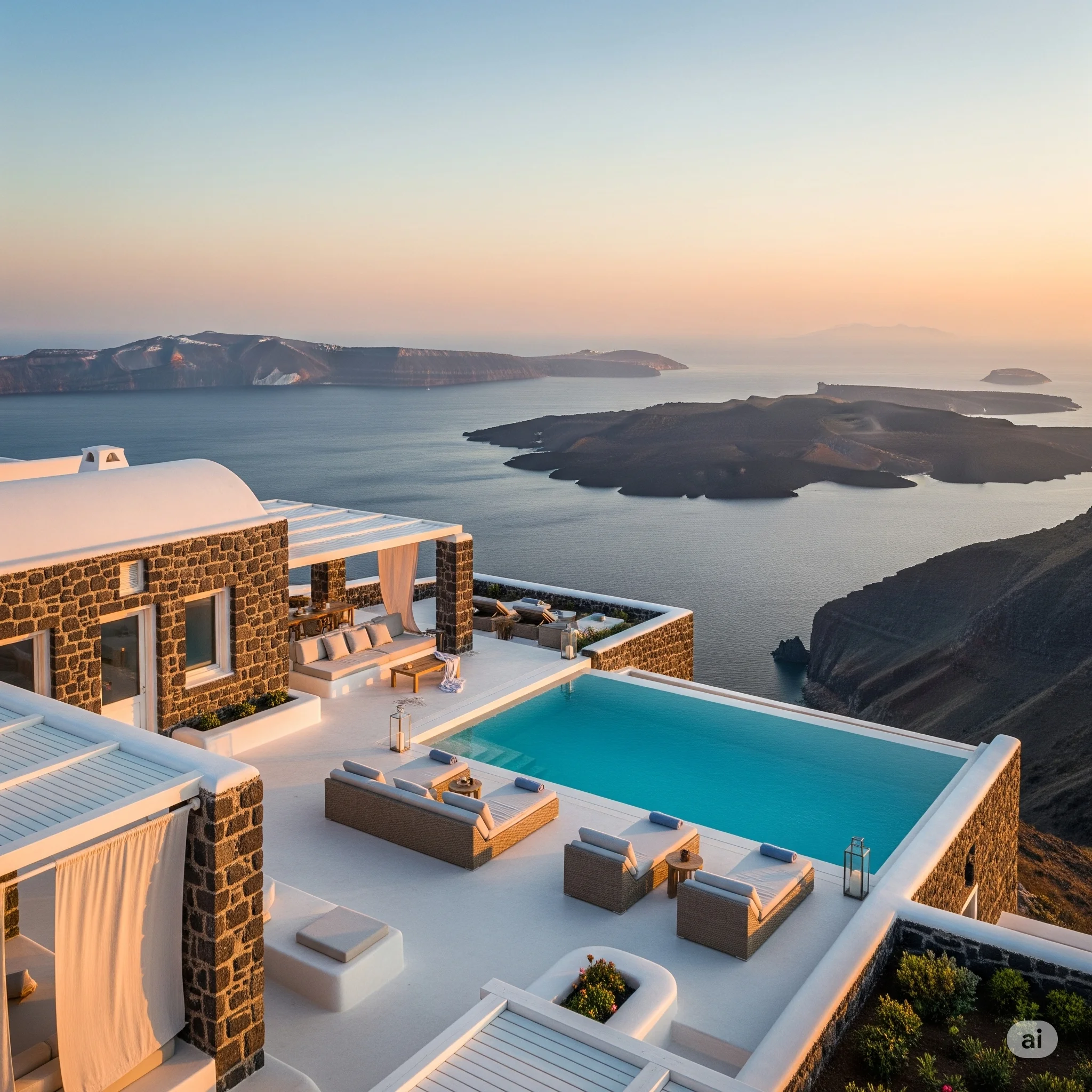
The Meltemi winds pick up reliably through summer afternoons, and they affect far more than you'd expect — hairstyling and veil design, open-air florals and drapery, even candlelight for an evening reception. We schedule outdoor ceremonies for late afternoon moving into golden hour, partly because the wind tends to settle as the day cools, and partly because that's when the caldera light does its best work in photographs.
Santorini's roads are narrow, hillside, and genuinely congested in season — a detail that catches families off guard when they're used to planning around Indian venue logistics. Moving forty or more guests between a hotel cluster and a clifftop venue needs dedicated shuttle vehicles booked well in advance, timed around the island's own tourist traffic patterns, not just around your own wedding schedule.
Santorini rewards early, decisive planning more than almost any destination we work with. Once the venue and date are genuinely locked, the island's own beauty carries most of the rest of the wedding for you.
Our destinations team can confirm real venue availability before you commit to a date.
Start Planning