
☰
A realistic month-by-month timeline, from the first venue call to wedding day.
"How early is too early to start?" is one of the first questions almost every couple asks us, and the honest answer is: earlier than most people expect, especially for peak-season dates at popular venues. A destination wedding isn't one booking, it's a dozen separate ones — venue, vendors, guest travel, outfits — each with its own lead time, and the families who plan calmly are almost always the ones who started each of those clocks early enough that nothing became an emergency.
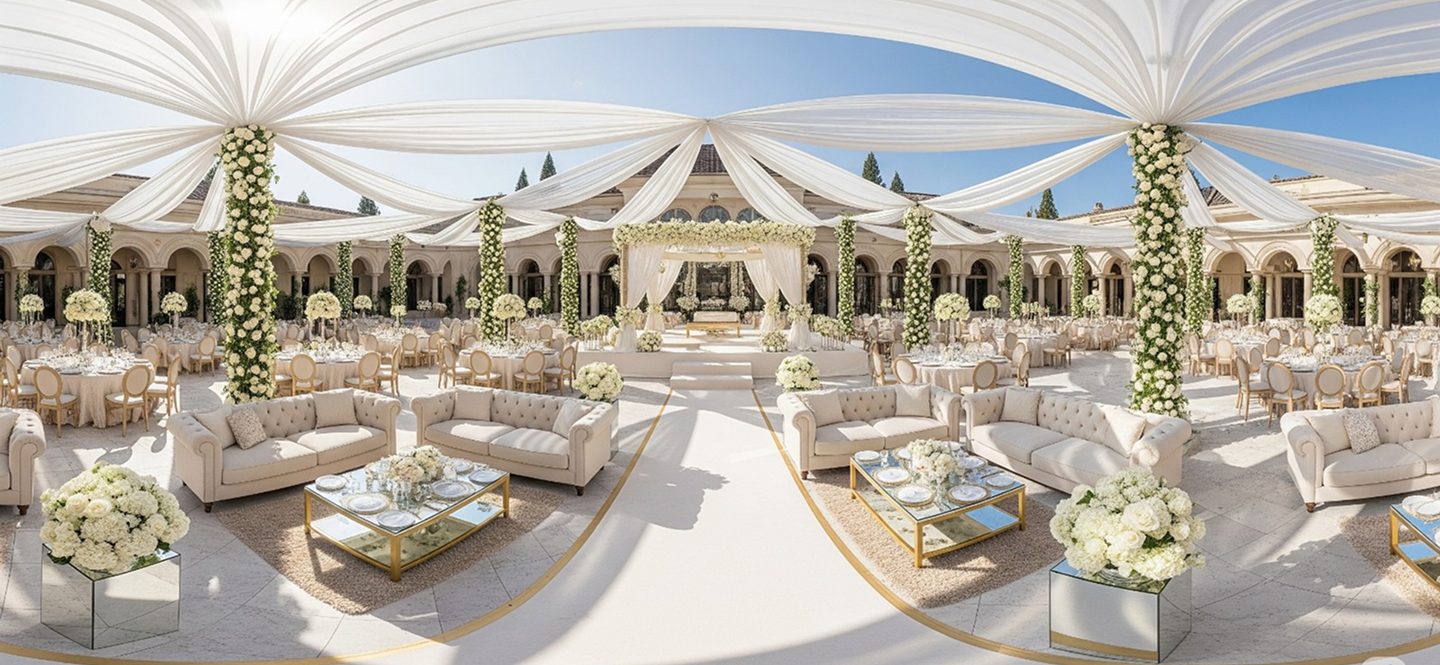
The most in-demand palaces, resorts, and clifftop venues get booked well over a year ahead for peak-season weekends — this is genuinely the single biggest constraint on a destination wedding timeline, more than any vendor's schedule. This is also when we lock your planning team and build a realistic budget based on guest count and destination, so every decision after this point is made against real numbers instead of a guess.
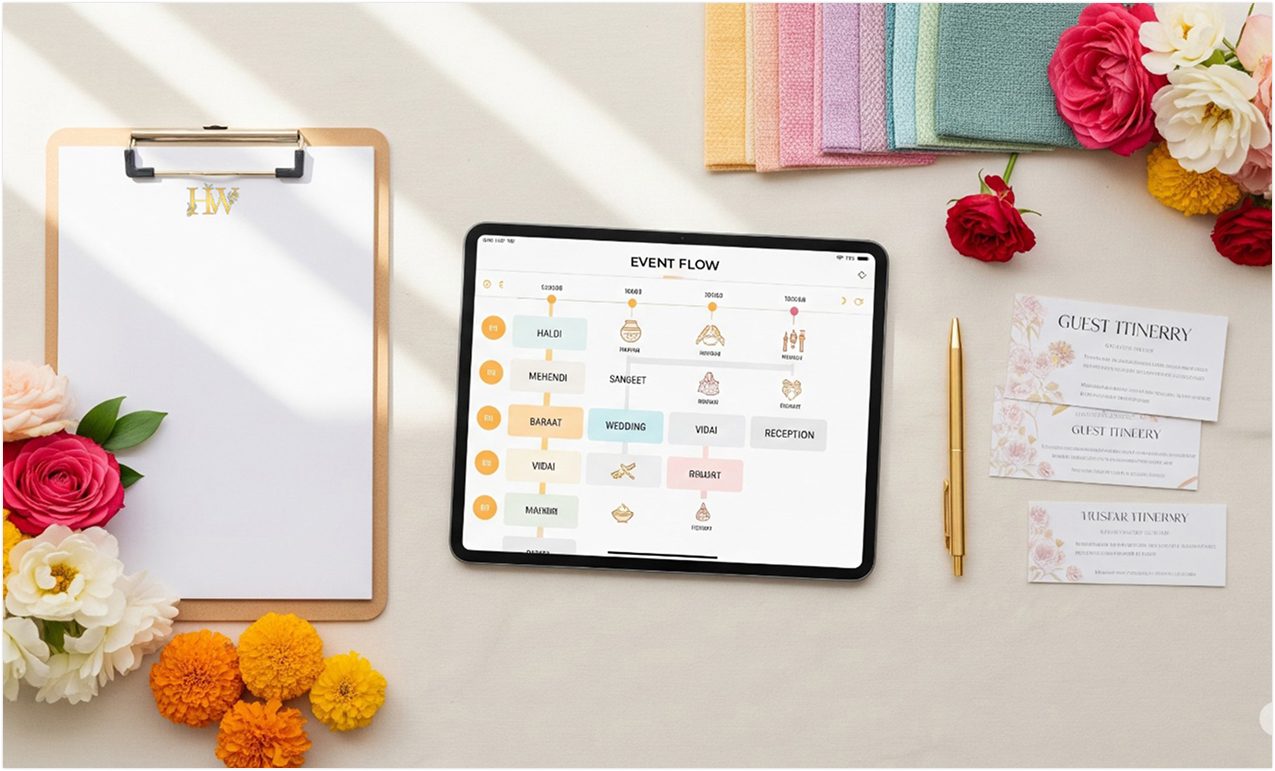
Once the venue is locked, we move into décor concepts, photography and videography bookings, and outfit planning — many top bridal designers need long lead times, particularly for custom or heavily embellished pieces, and the best photography teams for a specific destination are frequently booked out this far ahead for the same peak-season weekends that fill up the venues first. This is also the stage where we start building the actual design language for the wedding — the heirloom motifs, colour direction, and mandap concept that every other visual decision gets measured against.
"A destination wedding isn't one booking — it's a dozen separate ones, each running on its own clock. Starting early means every one of those clocks has room to run properly." Humsafar Wedding Planning Team
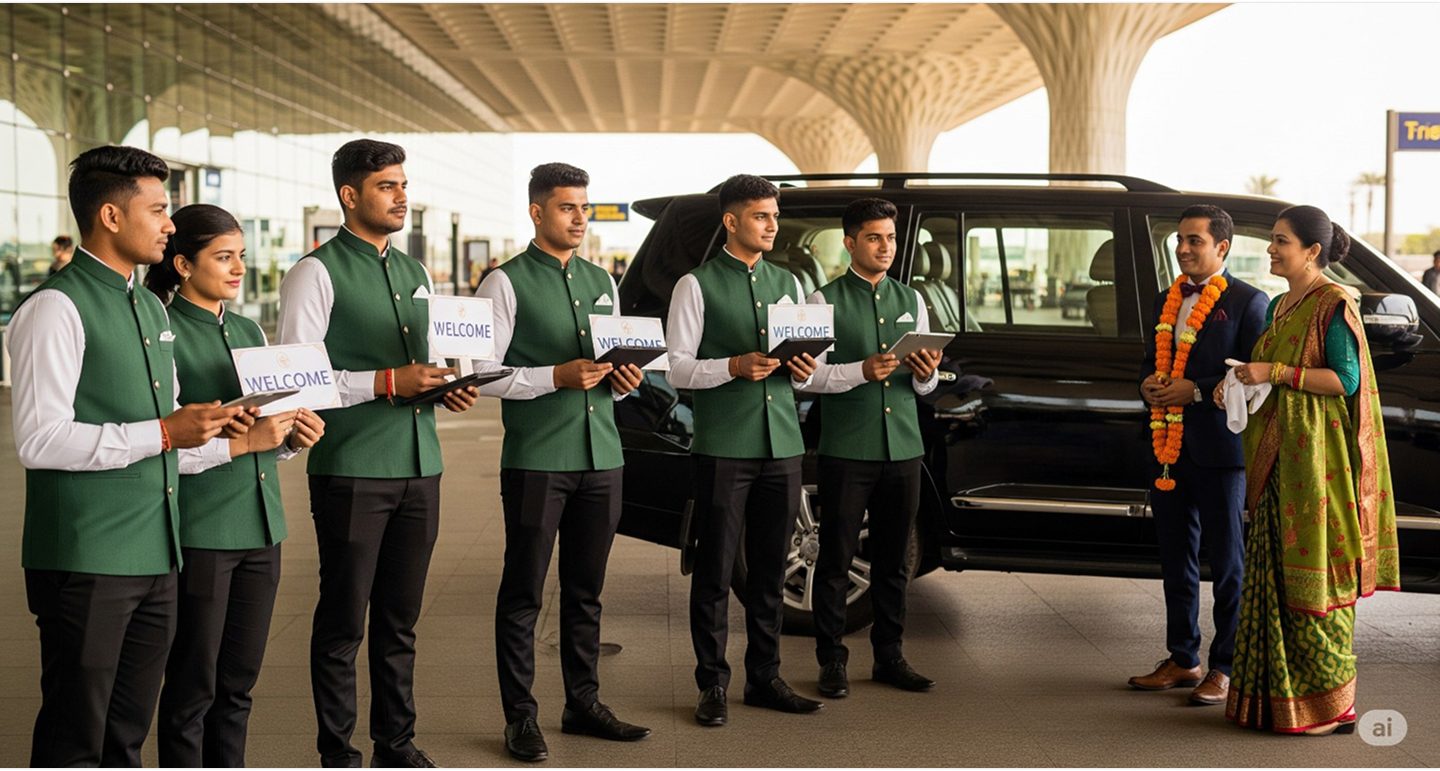
Save-the-dates go out, hotel room blocks are confirmed, and for international destinations we start guiding guests through visa requirements well before travel becomes urgent — passport renewals alone can take several weeks, and that's before any visa processing time is added on top. This is also when we finalise the guest transfer plan in detail: who's arriving on which flights, over how many days, and how that maps onto hotel check-in capacity at the destination.
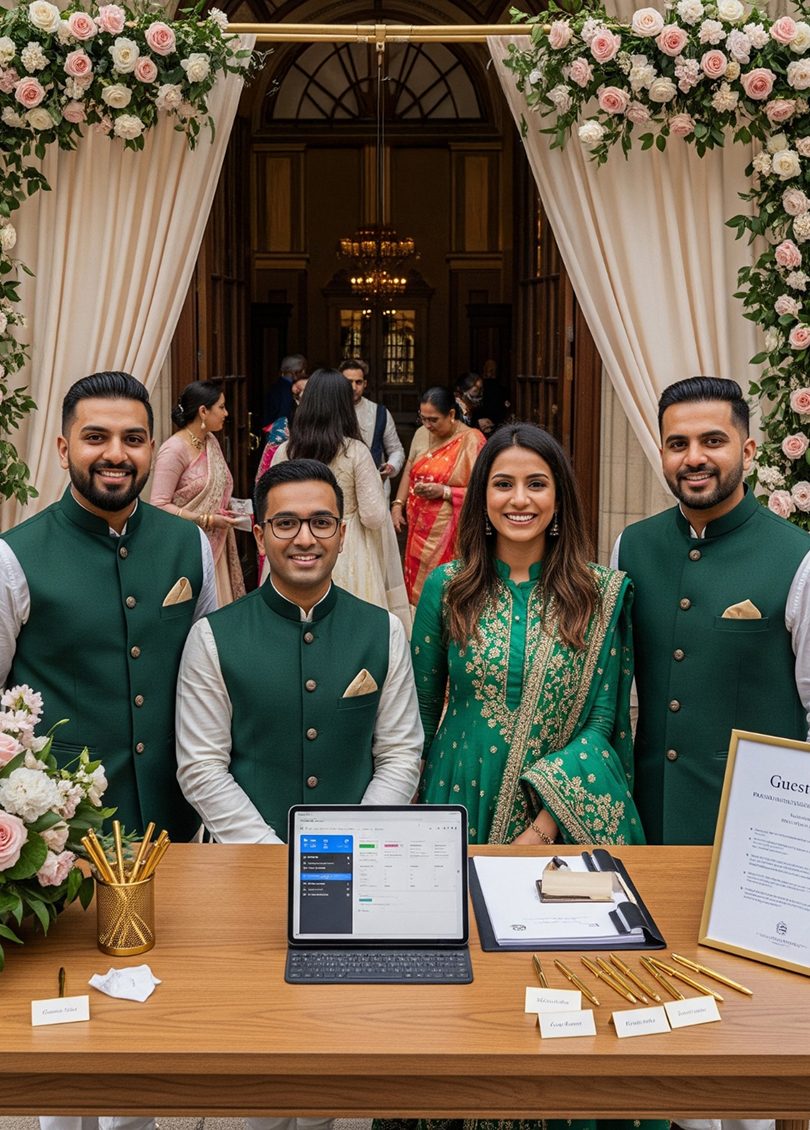
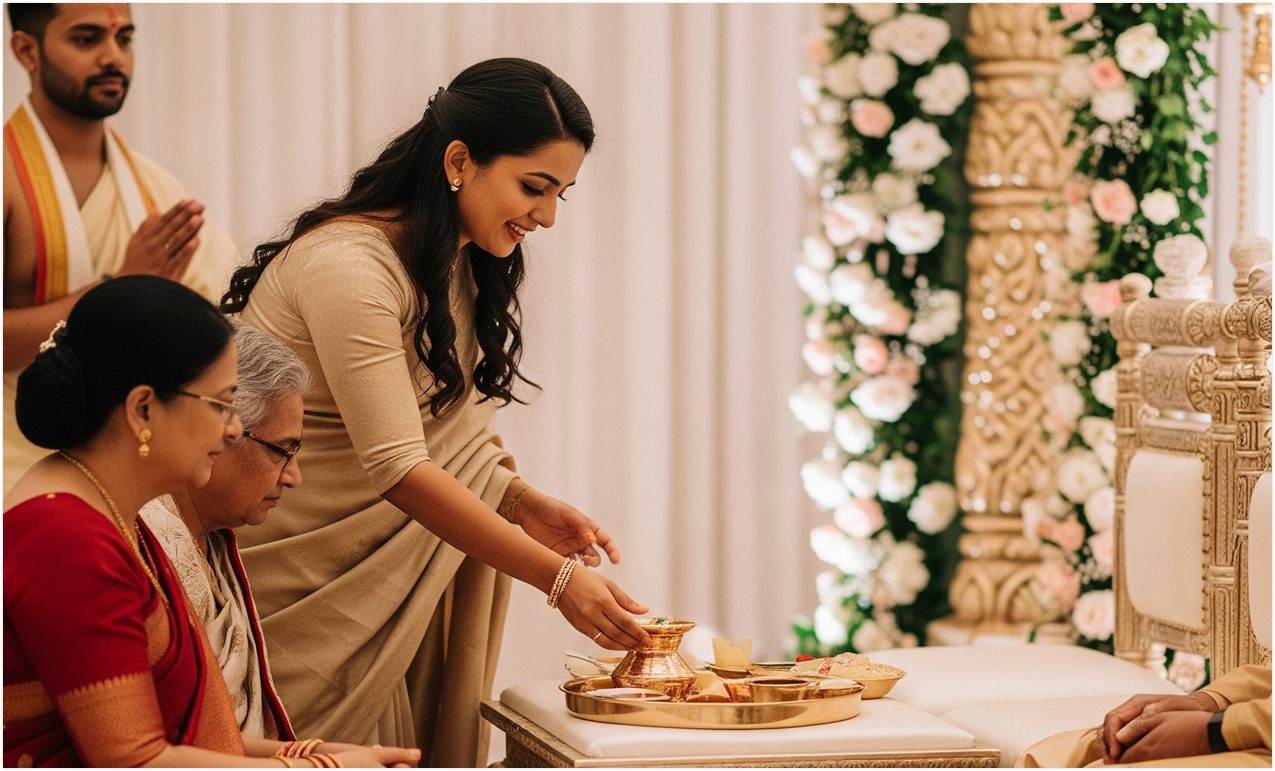
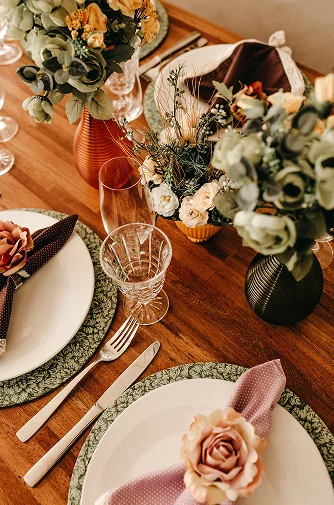
Menu tastings, final headcounts, seating charts, and a full run-of-show rehearsal with the on-ground team happen in this final stretch. This is also when we build the weather contingency plan for any outdoor ceremony — not as a formality, but as an actual alternate run-of-show that the entire vendor team has seen and agreed to, so a last-minute weather call doesn't turn into a live improvisation.
Couples who come to us six months out can still have a beautiful wedding — it just means a shorter list of available venues and vendors, and a planning process that compresses several of these stages so they run in parallel instead of in sequence. Starting earlier simply means starting with more options on the table; starting later means we get more selective, more quickly, about where those options still exist.
None of these windows are rigid rules — they're the pattern we've seen work, again and again, across the weddings we plan. The one constant across all of them is that the earliest decision (the venue and date) is also the one with the least flexibility once it's made, which is exactly why it comes first.
Tell us your target date and we'll tell you exactly what needs to happen next.
Start the Conversation